Chef Andrew Richardson – an acclaimed Executive Chef and industry leader – beams with childlike twinkle, as he reminisces on this everyday scene in his family home in County Durham, England. Its aromas and acoustics, still vivid.
At its centre is his mother, June Rose. Little did she know then that her culinary ‘joie de vivre’ was kindling an epic culinary journey for young Andrew.
This setting set the stage for the unexpected start of his professional culinary journey: at 17 years old, he reluctantly stepped in to cover a friend’s shift as a server at Hallgarth The Manor House, a local hotel.
There, his encounter with a professional kitchen left him spellbound: this was where he was meant to be. He spoke with the Chef that night. Within the week, he was working as an apprentice in the kitchen.
A dedicated and skilled home cook, June Rose made meals from scratch and insisted on using simple, but high-quality ingredients; a trait that would pass on to Andrew, his three sisters, and brother.
Bypassing supermarkets, she would procure fresh vegetables from local suppliers and visit butchers and fishmongers for prime proteins, despite his father’s occasional grumbles about the weekly food bills.
Her thoughtful approach to ingredient sourcing, deep interest in restaurants, and cooking good, simple food left a lasting impression on Andrew. He and his siblings were immersed in an environment where the art of cooking and the pursuit of culinary excellence were valued and celebrated.
This setting set the stage for the unexpected start of his professional culinary journey: at 17 years old, he reluctantly stepped in to cover a friend’s shift as a server at Hallgarth The Manor House, a local hotel.
There, his encounter with a professional kitchen left him spellbound: this was where he was meant to be. He spoke with the Chef that night. Within the week, he was working as an apprentice in the kitchen.
The acclaimed River Café on Thames Wharf in London, England, was the next most defining experience in Andrew’s now-storied journey as a Chef. One day, his mother excitedly brought to his attention this iconic restaurant that she had discovered. He became fascinated by it.
Led by Rose Gray (now deceased) and Ruthie Rogers, it is widely known for its inventive seasonal Italian fare. At home in County Durham, he endeavoured to replicate the restaurant’s seemingly simple menu items. He could put the ingredients together but frustratingly could not achieve the same harmony of flavours.
In 2000, a pivotal moment occurred for Andrew. His long-time friend and colleague, Terry Laybourne, arranged a brief internship, known in the industry as a stage, at the River Café.
Entering its kitchen, Andrew was blown away by the quality of their ingredients. They had produce such as tomatoes and artichokes arriving from Italy each morning. Similarly, they used seafood like scallops from the Orkney Islands, freshly caught in the day, for their dinner service.
Suddenly, the penny dropped for him. Their food was simple and produced an immense depth of flavour because they were focused on sourcing and exclusively using the best seasonal ingredients.
These seminal lessons that Chef Andrew gained from his mother and at the River Café have carried with him throughout his relentless pursuit of culinary excellence. Importantly, they have become his endearing legacy.
The acclaimed River Café on Thames Wharf in London, England, was the next most defining experience in Andrew’s now-storied journey as a Chef. One day, his mother excitedly brought to his attention this iconic restaurant that she had discovered. He became fascinated by it.
Entering its kitchen, Andrew was blown away by the quality of their ingredients. They had produce such as tomatoes and artichokes arriving from Italy each morning. Similarly, they used seafood like scallops from the Orkney Islands, freshly caught in the day, for their dinner service.
Suddenly, the penny dropped for him. Their food was simple and produced an immense depth of flavour because they were focused on sourcing and exclusively using the best seasonal ingredients.
Quality, for Chef Andrew, is a “simple equation to follow if you want to cook great food”: purposeful sourcing of ingredients plus care for where they come from. It is a philosophy that, for him, results in award-winning menus and a profound connection with the farmers and purveyors who bring these top-quality ingredients to life.
Chef Andrew, sources ingredients – ‘looking for quality’, at their peak season, and from high calibre farmers and purveyors.
Quality, for Chef Andrew, is a “simple equation to follow if you want to cook great food”: purposeful sourcing of ingredients plus care for where they come from. It is a philosophy that, for him, results in award-winning menus and a profound connection with the farmers and purveyors who bring these top-quality ingredients to life.
Chef Andrew, sources ingredients – ‘looking for quality’, at their peak season, and from high calibre farmers and purveyors.
The Chef recounts that no matter how good a technique, sub-standard ingredients cannot replicate the flavour profile achieved by their in-season, high-quality counterparts. This is particularly so for classic recipes because they are built around using good ingredients in their finest form.
He shares, “There’s a classic five-ingredient Tuscan Black Pepper stew called Peposo. The first time I tried cooking it, I was shocked. It was so strong and spicy but without flavour. I thought, this could not be right. I must have followed the recipe wrong. But, the flavour transformation was remarkable when I discovered the Wayanadan Black Peppercorns from House of Epula and substituted them for the standard wholesale Black Peppercorns that I originally used in the recipe.”
He shares, “There’s a classic five-ingredient Tuscan Black Pepper stew called Peposo. The first time I tried cooking it, I was shocked. It was so strong and spicy but without flavour. I thought, this could not be right. I must have followed the recipe wrong.
But, the flavour transformation was remarkable when I discovered the Wayanadan Black Peppercorns from House of Epula and substituted them for the standard wholesale Black Peppercorns that I originally used in the recipe.”
“It’s the quality of the Wayanadan Peppercorns. They come directly from their origin in Kerala, India, and their flavour is far more elevated than what I’ve been used to in the past. It makes clear that top-quality ingredients are paramount to achieve exceptional results in cooking.”
Chef Andrew adds, “The same can be said for all ingredients. When they are organic, occur naturally, in their peak season, and come straight from the source, their quality and flavour far surpass that of large suppliers who deliver them in refrigerated vans.
While their products do have flavour, when compared to the freshness of directly sourced ingredients, they simply pale in comparison. You suddenly realize what these ingredients should actually taste like.”
Do diners notice the difference? “Yes, people do understand,” replies the Chef. He describes diners’ curiosity, “They’ll ask us what kind of Spices are in here or what kind of olive oil do you use? They may not know the specific ingredient but they know this level of quality is missing from other food they’ve had. They know the flavours are so much better. For me, it always comes down to the ingredients.”
Chef Andrew adds, “The same can be said for all ingredients. When they are organic, occur naturally, in their peak season, and come straight from the source, their quality and flavour far surpass that of large suppliers who deliver them in refrigerated vans.
While their products do have flavour, when compared to the freshness of directly sourced ingredients, they simply pale in comparison. You suddenly realize what these ingredients should actually taste like.”
Do diners notice the difference? “Yes, people do understand,” replies the Chef. He describes diners’ curiosity, “They’ll ask us what kind of Spices are in here or what kind of olive oil do you use? They may not know the specific ingredient but they know this level of quality is missing from other food they’ve had. They know the flavours are so much better. For me, it always comes down to the ingredients.”
Against a backdrop of a sector facing extraordinary change, mounting cost pressures, and thinning margins, Chef Andrew stands firm on his beliefs about the culture of quality, ever ready to defend it.
He asserts a poignant message: top-quality ingredients only exist due to the dedication of the people and communities behind them. For him, the back story matters.
Against a backdrop of a sector facing extraordinary change, mounting cost pressures, and thinning margins, Chef Andrew stands firm on his beliefs about the culture of quality, ever ready to defend it.
At one point in his career, while working at an award-winning restaurant, Chef Andrew chose to reside in a neighbouring farming community.
The relationships he formed and his experiences in the fields deepened his keen appreciation for the work, dedication, and tribulations involved in producing top-quality ingredients; instilling in him a profound sense of responsibility.
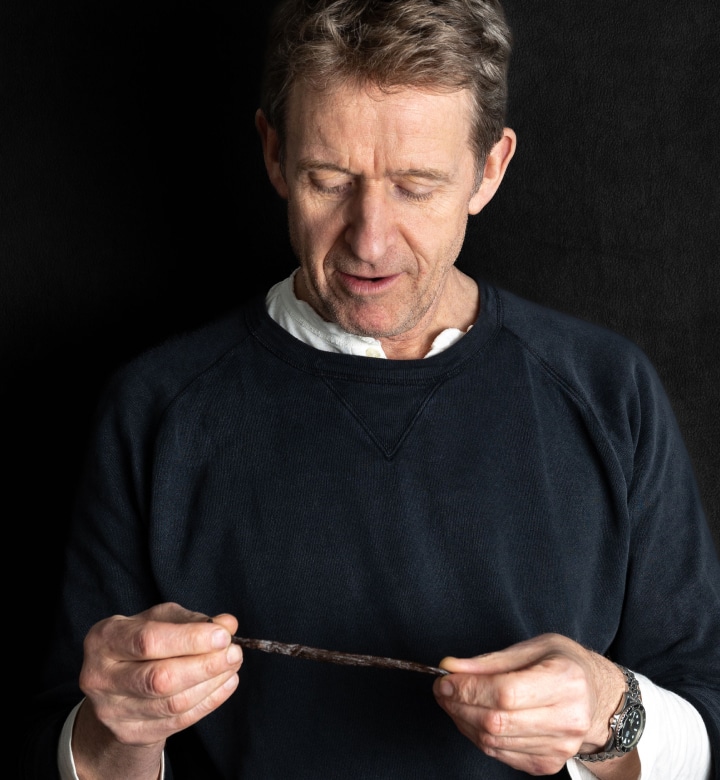
In his view, it is crucial, particularly in today’s world, where large corporations are acquiring land and mass-producing ingredients without preserving traditional high-quality agricultural methods.
“In a world where everything is becoming the same, same, same, doing our part to maintain the diversity of these ingredients is important, for ourselves.”
“For us to continue to enjoy their stunning flavours and aromas and produce delicious food, we as Chefs, have an obligation to invest our time and resources into producer communities and purveyors such as House of Epula who are devoted to making sure these Native ingredients last.”
In his view, it is crucial, particularly in today’s world, where large corporations are acquiring land and mass-producing ingredients without preserving traditional high-quality agricultural methods.
“In a world where everything is becoming the same, same, same, doing our part to maintain the diversity of these ingredients is important, for ourselves.”
He adds with concern, “We must understand that some of these processes are in jeopardy of being lost.
Losing culinary treasures like the Wayanadan Black Peppercorns from Kerala or the Amando Pizzitano from Calabria or any of these Native Spices would be losing our understanding of what they’re meant to taste like. To lose that completely would be a tragedy.”
He underscores the impact further. “We have used the Wayanadan Pepper since day one and it has become a signature to the restaurant because it provides a different element of taste to our steaks. So to lose that would mean that we would lose some of our identity.”
In his view, it is crucial, particularly in today’s world, where large corporations are acquiring land and mass-producing ingredients without preserving traditional high-quality agricultural methods.
“In a world where everything is becoming the same, same, same, doing our part to maintain the diversity of these ingredients is important, for ourselves.”
He adds with concern, “We must understand that some of these processes are in jeopardy of being lost. Losing culinary treasures like the Wayanadan Black Peppercorns from Kerala or the Amando Pizzitano from Calabria or any of these Native Spices would be losing our understanding of what they’re meant to taste like. To lose that completely would be a tragedy.”
He adds with concern, “We must understand that some of these processes are in jeopardy of being lost.
Losing culinary treasures like the Wayanadan Black Peppercorns from Kerala or the Amando Pizzitano from Calabria or any of these Native Spices would be losing our understanding of what they’re meant to taste like. To lose that completely would be a tragedy.”
Chef Andrew concludes on an endearing note. “Cooking is about giving. There are people and communities dedicating their time to producing top-quality ingredients. That’s what we should recognize. We have an opportunity to help sustain these processes, and we have to seize it….for our own sake.”
© 2024, House of Epula
Chef Andrew concludes on an endearing note. “Cooking is about giving. There are people and communities dedicating their time to producing top-quality ingredients. That’s what we should recognize. We have an opportunity to help sustain these processes, and we have to seize it….for our own sake.”
© 2026, House of Epula
© 2026 House of Epula
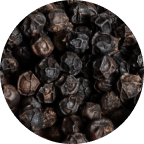
SINGLE VARIETY WAYANADAN
Piper nigrum L.
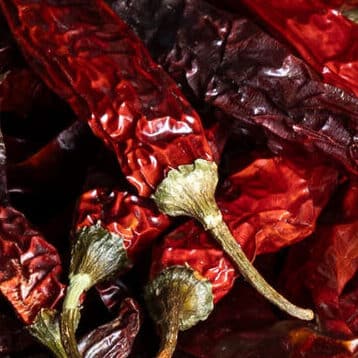
AMANDO PIZZITANO
Capsicum annum. L
SINGLE VARIETY WAYANADAN
Piper nigrum L.
AMANDO PIZZITANO
Capsicum annum. L

If you would like to be informed of our new Spice discoveries or when annual harvests of our Spices are arriving, please provide us your name and email address here.
By clicking on “Sign Up”, I agree to receive email updates from House of Epula. You can unsubscribe at any time.
Your privacy matters to us. We take great care to protect your personal information. Please read our promise to you in our Privacy Policy.
If you would like to be informed of our new Spice discoveries or when annual harvests of our Spices are arriving, please provide us your name and email address here.
By clicking on “Sign Up”, I agree to receive email updates from House of Epula. You can unsubscribe at any time.
Your privacy matters to us. We take great care to protect your personal information. Please read our promise to you in our Privacy Policy.

All intellectual property “IP” including, without limitation, photographs, graphics, images, text, sound and video files, trademarks, trade names, and trade dress are subject of proprietary rights, owned by House of Epula Boutique Inc. except for IP owned by third parties as noted, which is used by us with the permission of the owner. Use of any of this IP, beyond what is permitted by our Terms of Use, is strictly prohibited.
