Chef Lucais Syme is a culinary virtuoso.
His younger self, however, would be astounded. A career in culinary had not crossed his mind in those early days. With parents who were practising lawyers, the law seemed the logical career path for Lucais to follow. Surprisingly, they thought otherwise and he found himself, in his early twenties, at a crossroad in life.
Conversations about ‘what next’ became a daily regime in the Syme residence. One day, a eureka moment struck Lucais’ mother, Louise, while watching a cooking show. Knowing Lucais loved cooking and working with his hands, she planted a seed in his mind, “What about becoming a Chef?”
Louise, a talented home cook, had cultivated a love for food in Lucais from an early age. Soon after, the simple act of preparing meals became his sanctuary; an escape from daily stressors.
Intrigued by his mom’s idea, Lucais delved into researching the culinary arts. What he discovered energized him.
Already bartending during the day, he pursued a job in the kitchen of an upscale casual dining restaurant. Starting off in the dish pit and progressing to the fryer section, Lucais found himself captivated with the kitchen: its rapid pace, high pressure, and pulsating atmosphere. He fell in love with being in it.
Intrigued by his mom’s idea, Lucais delved into researching the culinary arts. What he discovered energized him.
Already bartending during the day, he pursued a job in the kitchen of an upscale casual dining restaurant.
Starting off in the dish pit and progressing to the fryer section, Lucais found himself captivated with the kitchen: its rapid pace, high pressure, and pulsating atmosphere. He fell in love with being in it.
He devoured cookbooks and chef magazines, learning and absorbing culinary knowledge and ideas. However, there was no better education than hands-on. Remarkably, within two months, he assumed responsibility for overseeing the evening shift in the kitchen. “I cared so much about it,” Lucais affirmed.
This kitchen cultivated his surging curiosity and ambition. Since then, each step in his trek – from formal training, to working in award-winning kitchens, to creating his own restaurants of distinction – blossomed into a love story that still continues today. It is a devotion to top-quality ingredients, at one with flavours, perfection of technique, and an innate attachment to the kitchen’s rhythms.
Though it may seem Chef Lucais happened into a career in culinary, his journey makes evident that the seed that his mom planted in his mind, was indeed that of destiny.
This kitchen cultivated his surging curiosity and ambition. Since then, each step in his trek – from formal training, to working in award-winning kitchens, to creating his own restaurants of distinction – blossomed a love story that still continues today. It is a devotion to top-quality ingredients, at one with flavours, perfection of technique, and an innate attachment to the kitchen’s rhythms.
This kitchen cultivated his surging curiosity and ambition.
Since then, each step in his trek – from formal training, to working in award-winning kitchens, to creating his own restaurants of distinction – blossomed a love story that still continues today.
It is a devotion to top-quality ingredients, at one with flavours, perfection of technique, and an innate attachment to the kitchen’s rhythms.
It is a chorus that swells into absolute harmony especially in dishes that mean so much to Lucais, such as his classic bolognese and spot prawn dish.
As he describes, “Whether it takes four hours to make or thirty seconds, the end product is something greater than the sum of its parts.”
Though it may seem Chef Lucais happened into a career in culinary, his journey makes evident that the seed that his mom planted in his mind, was indeed that of destiny.
Chef Lucais defines quality as one word: care.
He explains, “First, it begins with the farmers. Quality is the effort that a farmer has spent all their life dedicating into a crop that they care about and that shines through in this thing of beauty, such as these Native Spices, that we get.
Secondly, quality on my end. We ensure we do the same thing. We receive it. We take care of the manner in which it’s stored, prepared, and served. It is quality throughout. The more we care about quality, the more you feel it in the final product.”
Chef Lucais defines quality as one word: care.
He explains, “First, it begins with the farmers. Quality is the effort that a farmer has spent all their life dedicating into a crop that they care about and that shines through in this thing of beauty, such as these Native Spices, that we get.
Secondly, quality on my end. We ensure we do the same thing. We receive it. We take care of the manner in which it’s stored, prepared, and served. It is quality throughout. The more we care about quality, the more you feel it in the final product.”
This Fennel Seed is perfect. I let it do the work, and my food is elevated. The Mace; you taste its power and warmth. It is like getting a hug. I add this Mace to many things.”
When an ingredient comes into our kitchen, we don’t transfer it much or augment it. We try to do intelligent combinations that make the ingredients stand out. We are the supporting cast. So we must start with something pure and excellent, or our cuisine suffers.”
This Fennel Seed is perfect. I let it do the work, and my food is elevated. The Mace; you taste its power and warmth. It is like getting a hug. I add this Mace to many things.”
When an ingredient comes into our kitchen, we don’t transfer it much or augment it. We try to do intelligent combinations that make the ingredients stand out. We are the supporting cast. So we must start with something pure and excellent, or our cuisine suffers.”
Therefore, access to high-quality ingredients is critical. Case in point, Spices.
Before meeting House of Epula in 2017, Chef Lucais knew they needed better quality Spices. He learned of the state of local Spice supply through an article in Great Chefs, a culinary publication. He discovered that some supermarkets offer Spices that are years removed from their original harvest and without traceable origins. This led him to search for alternative suppliers.
Chef Lucais discovered that procuring high-quality Spices was frustratingly more complex than sourcing fresh produce and meat of the same calibre.
“I lucked out when I was introduced to House of Epula,” he admitted with relief.
“We are able to layer these powerful flavours together without messing with them too much because we know the backbone of quality is there. They elevate our cuisine and we have fun learning about them. I feel good about the creativity that comes with using them and I sleep better knowing that I am helping the planet at the same time.”
Therefore, access to high-quality ingredients is critical. Case in point, Spices.
Before meeting House of Epula in 2017, Chef Lucais knew they needed better quality Spices. He learned of the state of local Spice supply through an article in Great Chefs, a culinary publication. He discovered that some supermarkets offer Spices that are years removed from their original harvest and without traceable origins. This led him to search for alternative suppliers.
Chef Lucais discovered that procuring high-quality Spices was frustratingly more complex than sourcing fresh produce and meat of the same calibre.
“I lucked out when I was introduced to House of Epula,” he admitted with relief.
“We are able to layer these powerful flavours together without messing with them too much because we know the backbone of quality is there. They elevate our cuisine and we have fun learning about them. I feel good about the creativity that comes with using them and I sleep better knowing that I am helping the planet at the same time.”
Chef Lucais discovered that procuring high-quality Spices was frustratingly more complex than sourcing fresh produce and meat of the same calibre.
“I lucked out when I was introduced to House of Epula,” he admitted with relief.
“We are able to layer these powerful flavours together without messing with them too much because we know the backbone of quality is there. They elevate our cuisine and we have fun learning about them. I feel good about the creativity that comes with using them and I sleep better knowing that I am helping the planet at the same time.”
Against a backdrop of a sector facing extraordinary change, mounting cost pressures, and thinning margins, Chef Lucais remains undeterred in his conviction to protect and preserve the culture of quality and to have a positive impact in the world. For him, it is a matter of survival.
He asserts, “We have almost a crisis in our sector. Beautiful independent restaurants are disappearing. More restaurants are focused now on cutting costs, doing it easily or cheaply. If we continue this way, we will be suffering the lowest common denominator. Why would people even go to a restaurant after a while?”
The Chef emphasizes the need to reject apathy regarding sustainability and responsible sourcing.
“To survive as independents, we need to try harder and use top-quality ingredients even if it costs more. Rather than going mass and using poor-quality ingredients, I’d rather have a few like-minded Chefs join me, and we serve six people out in the woods because I only want to have a positive impact on the world.”
He continues ardently, ”If we all try to be the best, then the bar rises. By dedicating ourselves to using top-quality ingredients, we are helping each other and we are helping the world use better ingredients. Doing so, we keep beautiful independent restaurants alive, preserve beautiful ingredients such as these Native Spices, benefit their farmers, and do better as a humanity. I believe we can.”
The Chef emphasizes the need to reject apathy regarding sustainability and responsible sourcing.
“To survive as independents, we need to try harder and use top-quality ingredients even if it costs more. Rather than going mass and using poor-quality ingredients, I’d rather have a few like-minded Chefs join me, and we serve six people out in the woods because I only want to have a positive impact in the world.”
He continues ardently, ”If we all try to be the best, then the bar rises. By dedicating ourselves to using top-quality ingredients, we are helping each other and we are helping the world use better ingredients. Doing so, we keep beautiful independent restaurants alive, preserve beautiful ingredients such as these Native Spices, benefit their farmers, and do better as a humanity. I believe we can.”
© 2026, House of Epula
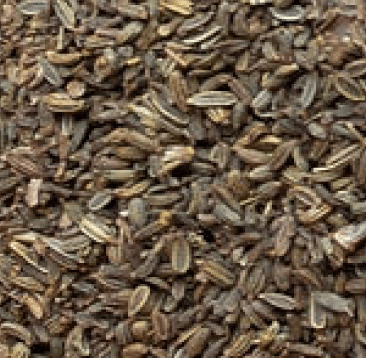
Foeniculum vulgare L.
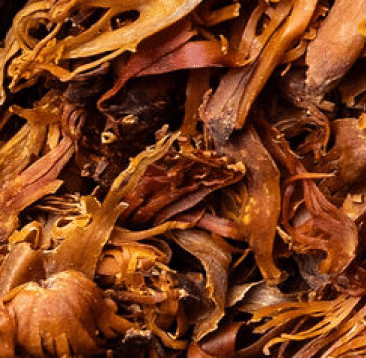
Myristica fragrans Houtt.
Foeniculum vulgare L.
Myristica fragrans Houtt.
Executive Chef, CinCin & Elisa Steak

If you would like to be informed of our new Spice discoveries or when annual harvests of our Spices are arriving, please provide us your name and email address here.
By clicking on “Sign Up”, I agree to receive email updates from House of Epula. You can unsubscribe at any time.
Your privacy matters to us. We take great care to protect your personal information. Please read our promise to you in our Privacy Policy.
If you would like to be informed of our new Spice discoveries or when annual harvests of our Spices are arriving, please provide us your name and email address here.
By clicking on “Sign Up”, I agree to receive email updates from House of Epula. You can unsubscribe at any time.
Your privacy matters to us. We take great care to protect your personal information. Please read our promise to you in our Privacy Policy.

All intellectual property “IP” including, without limitation, photographs, graphics, images, text, sound and video files, trademarks, trade names, and trade dress are subject of proprietary rights, owned by House of Epula Boutique Inc. except for IP owned by third parties as noted, which is used by us with the permission of the owner. Use of any of this IP, beyond what is permitted by our Terms of Use, is strictly prohibited.
